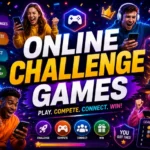
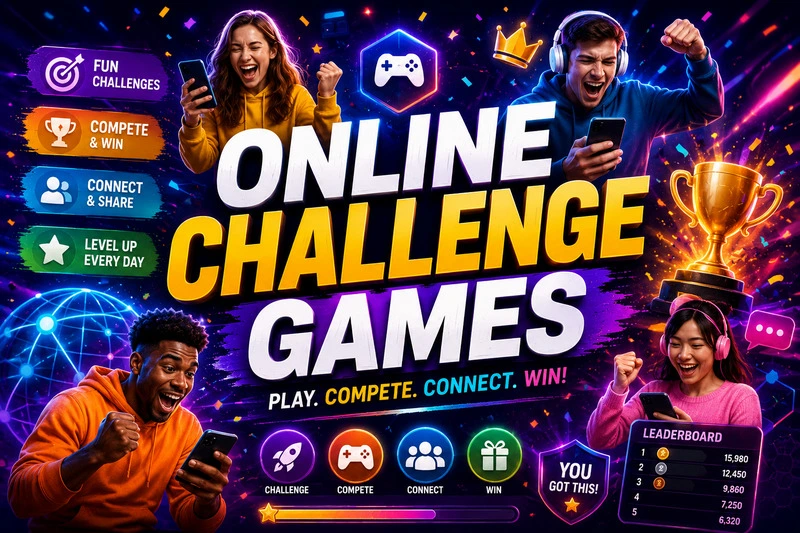
Online challenge games have become one of the biggest digital entertainment trends in the world. From competitive multiplayer missions to viral TikTok-style challenges, millions of people now spend hours every week completing tasks, climbing leaderboards, unlocking achievements, and challenging friends online. The gaming industry itself continues to grow rapidly, with estimates showing more than 3.4 billion gamers worldwide in 2025 and global gaming revenue projected to exceed $225 billion.
What makes online challenge games so addictive? Why are platforms like Roblox, Discord, and competitive mobile apps attracting massive audiences every single day? The answer is surprisingly simple: challenge games tap directly into human psychology. They mix achievement, competition, curiosity, and social interaction into one powerful experience.
This guide explores everything you need to know about online challenge games, including popular types, trending platforms, benefits, risks, future trends, and how to find the best games for your style.
What Are Online Challenge Games?
Online challenge games are digital games built around missions, tasks, competitions, or progression systems that encourage players to test their skills against other players, time limits, or increasingly difficult levels. Unlike casual games that people play for a few minutes and forget, challenge games are designed to keep players engaged over long periods of time.
Think about it like climbing a mountain. Every checkpoint gives you a little dopamine boost. Every win feels rewarding. Every loss pushes you to try again. That cycle is exactly what makes challenge gaming so powerful.
Years ago, challenge games were fairly basic. Flash games and arcade-style browser experiences dominated the internet. Players competed for high scores or attempted speed runs. Fast forward to today, and challenge gaming has transformed into a massive ecosystem that includes mobile apps, esports tournaments, live-stream competitions, virtual reality experiences, and social gaming communities.
Modern challenge games are deeply social. Players don’t just play alone anymore. They share achievements, stream gameplay, create content, and compete globally. Platforms like Roblox now host millions of user-generated experiences daily, while titles like Fortnite and Minecraft continue attracting massive audiences because of their endless challenge possibilities. According to recent gaming statistics, Roblox alone surpassed 144 million daily active users in 2026.
The beauty of online challenge games lies in their flexibility. Some focus on strategy and intelligence. Others focus on creativity, teamwork, survival, or reflexes. There’s truly something for everyone.
The Evolution From Simple Flash Games to Massive Online Competitions
Back in the early internet era, online challenges were incredibly simple. A player would try to beat a timer, survive waves of enemies, or solve puzzles faster than friends. The experience was isolated and limited.
Now? The entire gaming landscape looks completely different.
Gaming has evolved into a social universe where challenges happen in real time with millions of participants. Cloud gaming, mobile technology, cross-platform play, and streaming culture completely changed how people interact with games. According to industry reports, the online gaming market is projected to surpass $244 billion in 2026 and could exceed $500 billion by 2034.
One major shift came from smartphones. Suddenly, challenge games weren’t locked to consoles or PCs anymore. Anyone with a mobile device could participate instantly. That accessibility exploded the popularity of online gaming worldwide.
Social media accelerated things even further. Viral challenges spread rapidly through TikTok, YouTube, Instagram, and Twitch. Players began creating challenge-based content that attracted millions of viewers. Challenge gaming became entertainment, not just gameplay.
Esports also played a massive role. Competitive tournaments transformed gaming into spectator culture. Today, millions of people watch skilled players compete in high-pressure challenge environments. Winning no longer means personal satisfaction alone. It can mean sponsorships, streaming careers, or even million-dollar prize pools.
Gaming has shifted from a hobby into a global digital culture.
Why Challenge-Based Gaming Feels So Addictive
There’s real psychology behind why people love challenge games.
Humans naturally crave achievement. Every completed task, unlocked level, or leaderboard victory triggers feelings of progress and accomplishment. Challenge games are built specifically to reward those emotions repeatedly.
Imagine trying to solve a difficult puzzle. At first it feels frustrating. Then suddenly everything clicks into place. That emotional release creates satisfaction. Online challenge games repeat that cycle continuously.
Developers also use progression systems strategically. Daily rewards, streaks, ranking systems, battle passes, achievements, and unlockable content keep players returning consistently. It’s similar to reading “just one more chapter” of a great book before bed. Except with games, the loop never truly ends.
Social validation makes things even stronger. When players share victories online, receive likes, or gain followers through challenge content, gaming becomes connected to identity and recognition.
Statistics show the average gamer spends approximately 9.4 hours weekly playing online games. Heavy players can exceed 20 hours weekly. That level of engagement doesn’t happen accidentally. Developers carefully design systems that keep users emotionally invested.
Still, not all challenge gaming is unhealthy. Many games improve reflexes, coordination, communication, and problem-solving abilities. Like most things in life, balance matters.
The Different Types of Online Challenge Games
Online challenge games exist in dozens of different forms, and each category attracts different personalities. Some players love competition. Others prefer creativity or teamwork.
Understanding the main categories helps players discover experiences that actually fit their interests instead of blindly downloading random games.
Skill-Based Challenge Games
Skill-based challenge games are all about mastery.
These games reward precision, reaction speed, strategic thinking, and consistent practice. Players improve over time by learning mechanics and refining techniques. The satisfaction comes from becoming genuinely better.
Popular examples include:
- Competitive shooters
- Rhythm games
- Racing games
- Parkour challenges
- Strategy games
- Speed-running communities
Games like Fortnite became massively successful because they combine mechanical skill with fast-paced survival gameplay. Every match feels different, which keeps the experience exciting.
Skill-based games create intense emotional highs because victories feel earned. Players know improvement comes directly from effort and practice. That sense of progression keeps communities incredibly loyal.
Streaming culture boosted this category dramatically. Watching talented gamers complete nearly impossible challenges inspires viewers to try them personally. It creates an endless cycle of participation and competition.
Some players dedicate years mastering a single game. Others constantly jump between challenges searching for fresh excitement. Either way, the core appeal remains the same: improvement feels rewarding.
Survival and Battle Challenges
Survival challenge games are built around pressure.
Players compete against harsh environments, limited resources, enemies, or other players while trying to stay alive as long as possible. These games create tension because every decision matters.
Battle royale games completely transformed this genre. Titles like Fortnite popularized large-scale survival competitions where only one player or team remains standing.
Why do people love these games so much?
Because survival mechanics create emotional intensity. The fear of losing adds excitement to every moment. Winning feels incredibly satisfying precisely because failure was possible the entire time.
Many survival games also encourage teamwork. Friends coordinate strategies, share resources, and communicate under pressure. That social interaction strengthens player retention dramatically.
Modern survival games continue evolving with:
- Dynamic events
- AI-driven enemies
- Real-time weather systems
- Procedural maps
- Seasonal challenge modes
Developers constantly add new twists to keep players engaged.
Puzzle and Brain Challenge Games
Not every challenge game revolves around fast reflexes or combat.
Puzzle and brain games focus on intelligence, logic, memory, pattern recognition, and creativity. These games attract players who enjoy mental stimulation instead of adrenaline-heavy gameplay.
Popular examples include:
- Escape room games
- Trivia challenges
- Word games
- Strategy puzzles
- Math challenges
- Logic adventures
These games are particularly popular on mobile devices because they’re easy to play casually throughout the day.
Brain challenge games also appeal to broader age groups. Younger players enjoy educational challenges while adults often use puzzle games for stress relief or mental exercise.
Interestingly, cognitive challenge games gained popularity during periods of remote work and increased screen time. Many people began searching for entertainment that felt productive rather than mindless.
Puzzle communities are also surprisingly social. Players share solutions, compete on leaderboards, and collaborate online to solve difficult mysteries.
The internet essentially turned puzzle-solving into a collaborative sport.
Fitness and Lifestyle Challenge Games
One of the fastest-growing categories involves real-world activities connected to gaming mechanics.
Fitness challenge apps reward exercise through streaks, leaderboards, achievements, and community competitions. Instead of sitting for hours gaming traditionally, users participate in walking challenges, workout competitions, dance games, and wellness missions.
This category exploded because it blends entertainment with self-improvement.
Apps gamify ordinary habits by turning them into rewarding experiences. Suddenly drinking water, exercising, reading, or meditating feels more engaging because users earn badges, unlock milestones, or compete socially.
Fitness challenge gaming also appeals to people who normally dislike traditional gaming culture. It feels more productive and lifestyle-oriented.
Wearable technology continues pushing this trend forward. Smartwatches, VR headsets, and fitness trackers now integrate directly into challenge systems.
Gaming is no longer limited to screens alone. It’s becoming part of everyday life.
Why Online Challenge Games Became So Popular
Online challenge games didn’t become popular by accident. Multiple technological and cultural shifts collided at exactly the right moment.
The combination of smartphones, high-speed internet, streaming culture, and social media created the perfect environment for challenge gaming to explode globally.
One major factor is accessibility. Years ago, gaming required expensive consoles or gaming PCs. Today, billions of people carry powerful gaming devices in their pockets. Mobile gaming now accounts for over 50% of global gaming platform usage.
Social media also transformed how players discover games. Instead of relying on advertisements alone, viral clips and influencer content drive trends rapidly. One entertaining challenge video can suddenly make a game globally popular overnight.
Streaming culture intensified everything further. Watching people complete impossible challenges became entertainment itself. Twitch, YouTube, and TikTok helped create celebrity gamers with enormous audiences.
Gaming also evolved into a social gathering space. For many people, challenge games aren’t just games anymore. They’re digital hangout spots where friendships form and communities grow.
That emotional connection keeps players coming back repeatedly.
The Most Popular Online Challenge Game Platforms
Several gaming platforms dominate the online challenge space today, each offering unique experiences and communities.
| Platform | Main Strength | Popular Challenge Types |
|---|---|---|
| Roblox | User-generated content | Creative games, obstacle courses |
| Fortnite | Fast-paced competition | Battle royale, survival |
| Minecraft | Sandbox creativity | Building challenges, survival |
| Mobile Apps | Accessibility | Puzzle, fitness, trivia |
Roblox
Roblox remains one of the biggest challenge ecosystems globally. Its strength comes from user-generated experiences. Players create games for other players, producing nearly endless challenge variety.
Obstacle courses, escape rooms, tycoon challenges, roleplay worlds, and competitive mini-games thrive within Roblox’s ecosystem.
The platform’s massive popularity among younger audiences continues expanding worldwide. Reports indicate Roblox reached over 144 million daily active users in 2026.
Fortnite
Fortnite transformed online gaming culture through seasonal events, live experiences, and competitive survival gameplay.
Fortnite constantly reinvents itself through:
- Limited-time events
- Ranked challenges
- Collaborative missions
- Live concerts
- Creator-made islands
That constant evolution keeps players engaged long-term.
Minecraft
Minecraft proves creativity itself can become a challenge.
Players create survival worlds, puzzle maps, speedrun competitions, and community events. The game’s open-ended design allows nearly infinite possibilities.
Minecraft’s challenge culture thrives because imagination drives gameplay rather than strict rules.
The Risks and Downsides of Challenge Gaming
Despite their popularity, online challenge games also carry risks.
Gaming addiction concerns continue growing worldwide. Some players struggle balancing gameplay with responsibilities, sleep, work, or education. Experts increasingly warn about excessive engagement systems designed to maximize screen time.
Unsafe viral challenges also present real concerns. Certain online trends encourage dangerous behavior, especially among younger users. Authorities and researchers continue monitoring harmful challenge culture online.
Privacy issues represent another challenge. Online communities sometimes expose users to harassment, scams, or inappropriate content. Platforms increasingly implement moderation and safety systems, but problems still exist.
Healthy gaming habits matter enormously:
- Take breaks regularly
- Limit excessive screen time
- Avoid toxic communities
- Protect personal information
- Balance gaming with real-world activities
Gaming should enhance life, not control it.
Future Trends in Online Challenge Games
The future of challenge gaming looks incredibly ambitious.
AI-powered systems are already beginning to personalize gameplay experiences dynamically. Games can now adapt difficulty levels, generate custom missions, and respond intelligently to player behavior.
Virtual reality also continues evolving rapidly. VR challenge games create immersive experiences where players physically interact with digital worlds.
Cross-platform gaming will likely become even more dominant as barriers between consoles, PCs, and mobile devices continue disappearing.
Industry experts also predict stronger integration between gaming and social media platforms. Interactive streaming, creator-driven events, and live audience participation may redefine online entertainment entirely.
Gaming isn’t slowing down. It’s becoming one of the defining entertainment industries of modern culture.
Conclusion
Online challenge games have evolved far beyond simple entertainment. They combine competition, creativity, community, and progression into experiences that millions of people engage with daily.
Whether someone enjoys survival battles, puzzle-solving, fitness competitions, or creative sandbox worlds, challenge gaming offers endless opportunities for excitement and connection.
The industry continues growing rapidly thanks to mobile accessibility, streaming culture, social sharing, and technological innovation. At the same time, healthy balance remains essential. The best gaming experiences are the ones that entertain, inspire, and connect people without overwhelming everyday life.
Challenge games tap into something deeply human: the desire to improve, compete, explore, and achieve. That’s why they continue capturing global attention year after year.
FAQs
What are online challenge games?
Online challenge games are digital games built around tasks, competitions, missions, or progression systems that test player skills, strategy, creativity, or teamwork.
Are online challenge games free?
Many online challenge games are free-to-play, especially mobile games and platforms like Roblox. Some include optional purchases for cosmetics, upgrades, or battle passes.
Which online challenge games are most popular right now?
Popular titles include Fortnite, Minecraft, and experiences within Roblox. Mobile challenge apps also continue growing rapidly.
Can online challenge games improve skills?
Yes. Many challenge games improve problem-solving, communication, reflexes, strategic thinking, creativity, and teamwork abilities.
Are online challenge games safe for children?
Many games are designed for younger audiences, but parental supervision remains important. Parents should monitor screen time, online interactions, and age-appropriate content carefully.